Spare key, building manager, or locksmith: choosing the right mobile lockout help
Locking yourself out of your home or car happens quickly, and the moment you realise the door has clicked shut behind you, a few questions race through your mind. Who can help? How fast can they arrive? And what will it cost in time and hassle? The answer often depends on where you are, what time it is, and whether you have any backup options available. Three common sources of mobile lockout help are a spare key held by someone you trust, a building manager who may have master access, and a professional locksmith who can open most locks on site. Each has its own strengths, limits, and ideal scenarios. Understanding the differences can save you frustration and help you pick the right approach when you are stuck outside.
When a spare key is the simplest solution
Having a spare key with a neighbour, family member, or friend is the oldest trick in the book, and it works well in many situations. If you live in a house or a small apartment building and have a trusted contact nearby, a quick phone call can solve the problem in minutes. The key advantage is speed: no waiting for someone to travel to your location, and no fee involved. It is also the most straightforward option for people who do not want to involve anyone else in their personal security arrangements.
However, a spare key only works if the person holding it is actually available and can reach you quickly. If they are at work, out of town, or simply not answering their phone, the backup plan falls through. There is also the question of security. Leaving a key with someone means trusting them not to misuse it, and if you lose touch with that person, retrieving the key can become awkward. For these reasons, many people keep a spare key with a neighbour they see regularly, or with a family member who lives close by, rather than with someone who might not be reachable in an emergency.
Another consideration is the type of lock. If your door uses a deadbolt or a latch that requires a key from the outside, a spare key works perfectly. But if you have an electronic lock or a keypad entry system, a spare physical key may not be the right solution at all. In that case, you might need a code or a backup method provided by the building manager or the lock manufacturer.
When the building manager makes sense
For tenants in apartment buildings or condominiums, the building manager or superintendant often holds a master key or has access to a key box for the entire property. This can be a fast and cost-effective option, especially during normal business hours. If you are locked out of your unit, the manager can let you back in without damaging the door or the lock, and there is usually no charge for this service.
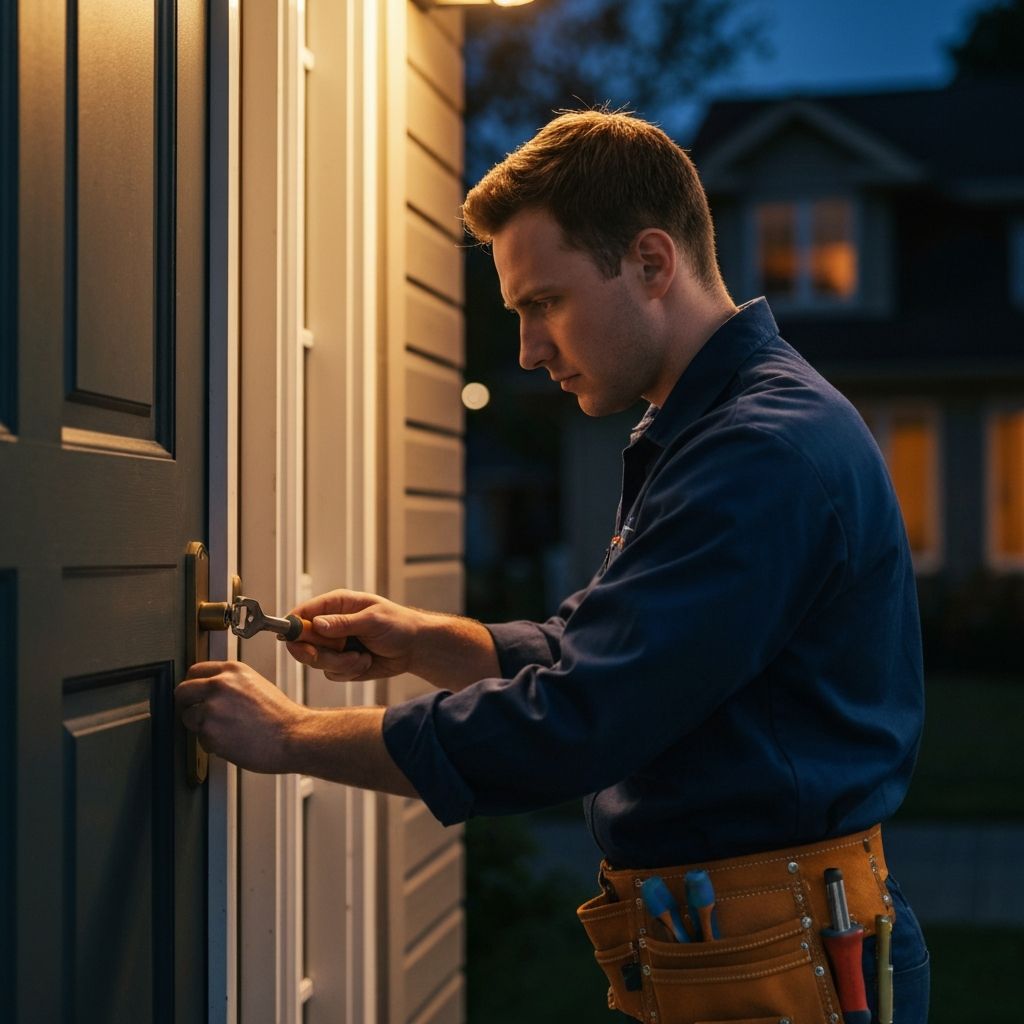
Yet the building manager's availability varies. Many managers work set hours and may not be on site late at night, on weekends, or during holidays. Some buildings have an after-hours emergency number, but response times can be unpredictable. If the manager needs to travel from home to the building, you could be waiting thirty minutes or more. In large complexes, the manager might also be busy with other maintenance issues, which can delay their response further.
Occupancy verification is another factor. A responsible building manager will want to confirm that you are a legitimate tenant before letting you into a unit. This usually means showing identification or having your name on the lease. If you are a guest or a subletter without documentation, the manager may refuse to open the door, and for good reason. In such cases, the manager might direct you to call a locksmith who can verify your identity through other means, such as checking a key cylinder or using non destructive entry techniques.
For commercial properties, the building manager may have access to common areas but not to individual tenant suites. If you are locked out of your office after hours, the manager might not be able to help at all. That is when a professional locksmith becomes the most practical choice.
When a locksmith is the right call
A professional locksmith offers mobile lockout help that is independent of building management or personal contacts. They carry the tools and training to open a wide range of locks, from standard deadbolts to high-security key cylinders, without damaging the door or the door frame. This is especially important if you are locked out of a rental property where you could be held responsible for repairs, or if you have a newer lock that is expensive to replace.
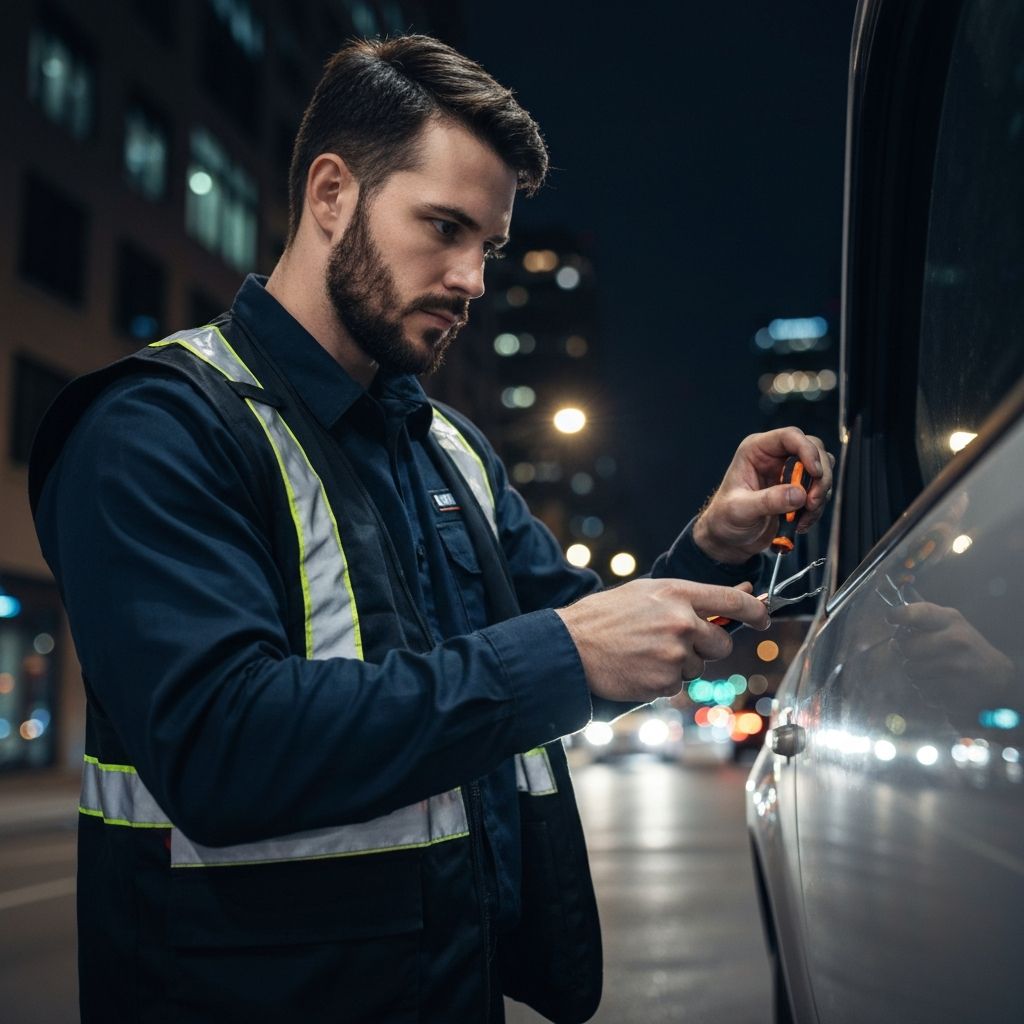
Locksmiths are also available around the clock, which matters when lockouts happen at odd hours. A car lockout on a cold winter night or a late-night apartment lockout is not something you want to wait hours to resolve. A mobile locksmith can come to your location, whether you are on a residential street, in a parking lot, or at a commercial building. They can handle various situations, including car lockouts, home lockouts, and even safe openings if the lock has malfunctioned.
Another advantage is that locksmiths can deal with locks that are stuck, broken, or frozen. If your key has snapped off in the lock, or the lock cylinder has seized due to weather or wear, a locksmith can extract the broken piece and either repair or replace the lock on the spot. This goes beyond simply opening the door, and it is something a building manager or a spare key holder cannot do.
For those who need mobile lockout help in Toronto and the surrounding area, a service like qalocksmith.com provides a reliable option. They cover lockouts, car key replacement, rekeying, and lock installation across the GTA, and their mobile setup means they can reach you wherever you are stuck. While a spare key or building manager may be faster in some cases, a locksmith offers a guaranteed solution when other options fall short.
Comparing the three options side by side
Each option has a clear set of trade-offs. A spare key is the cheapest and fastest if the holder is nearby, but it depends entirely on that person's availability and trustworthiness. A building manager is usually free and can access the property without damage, but their hours are limited, and they may not be able to help guests or commercial tenants. A locksmith costs more and takes a few minutes to arrive, but they are available 24/7, can handle any lock type, and can solve problems beyond a simple opening.
When deciding which route to take, consider the following factors:
- Time of day: During business hours, try the building manager first. Late at night or on weekends, a locksmith is more reliable.
- Location: At home with a neighbour who has your spare key, that is the quickest call. At a shopping centre or a friend's house, a locksmith is the only option unless someone else has a key.
- Type of lock: Standard keyed locks work with all three options. Electronic or high-security locks may require a locksmith with specialised tools.
- Damage risk: If you are worried about damaging the door or lock, avoid trying to force it open yourself. A locksmith uses non destructive entry methods to preserve the hardware.
What to do while you wait
Once you have decided who to call, there are a few practical steps you can take. First, make sure you are in a safe location, especially if it is dark or the area is unfamiliar. If you are locked out of your car and it is parked on a busy street, stand on the sidewalk and wait for help. If you are locked out of your apartment building and the lobby is heated, stay there rather than wandering around outside.
Second, gather any identification you have. A driver's licence or a piece of mail with your name and address can help verify that you live at the property. For a car lockout, having the vehicle registration or proof of ownership ready can speed things up. A locksmith or building manager will need to confirm your identity before opening anything, and having those documents ready reduces the back-and-forth.
Third, avoid trying to open the lock yourself with a credit card, a screwdriver, or any makeshift tool. These attempts often damage the door frame, the latch, or the lock itself, turning a simple lockout into a repair job. A bent door frame or a broken key cylinder can cost much more to fix than the price of a locksmith call. Leave the opening to the person who has the right tools and training.
Preventing future lockouts
After you have been let back in, it is worth thinking about ways to avoid the same situation. One simple step is to make a habit of checking for your keys before closing the door. Another is to keep a spare key in a secure location, such as a lockbox with a combination, rather than under a doormat or inside a fake rock where anyone can find it. For apartment dwellers, leaving a key with the building manager's office during business hours can provide a backup that does not depend on a friend's schedule.
For those who want a more permanent solution, consider upgrading to a keyless entry system. Many modern deadbolts use a keypad or a fingerprint reader, so you never need a physical key to get in. These systems also let you set temporary codes for guests or service workers, which can be useful if you frequently have visitors. However, they run on batteries, so you will need to replace them periodically to avoid being locked out when the battery dies.
If you prefer mechanical locks, having a locksmith rekey your existing locks after a move or a lost key is a good practice. Rekeying changes the key cylinder so that old keys no longer work, and it is much cheaper than replacing the entire lock. A service like qalocksmith.com offers rekeying as part of their mobile lockout help, and it can be done on site without removing the lock from the door.
Final thoughts on choosing the right help
Lockouts are inconvenient, but they do not have to be stressful if you know your options. A spare key works when someone you trust is close by. A building manager is ideal during working hours in a residential building. A professional locksmith is the most dependable choice at any hour, for any lock, and in any location. By understanding the strengths of each, you can make a quick decision and get back inside with minimal hassle.
Keep a spare key with a reliable contact, know your building manager's hours, and save the number of a trustworthy locksmith. That simple preparation turns a frustrating moment into a minor delay.